Hypoallergenic Detergent Guide
Discover safe, gentle cleaning solutions approved for children's sensitive skin. Learn what to look for and what to avoid.
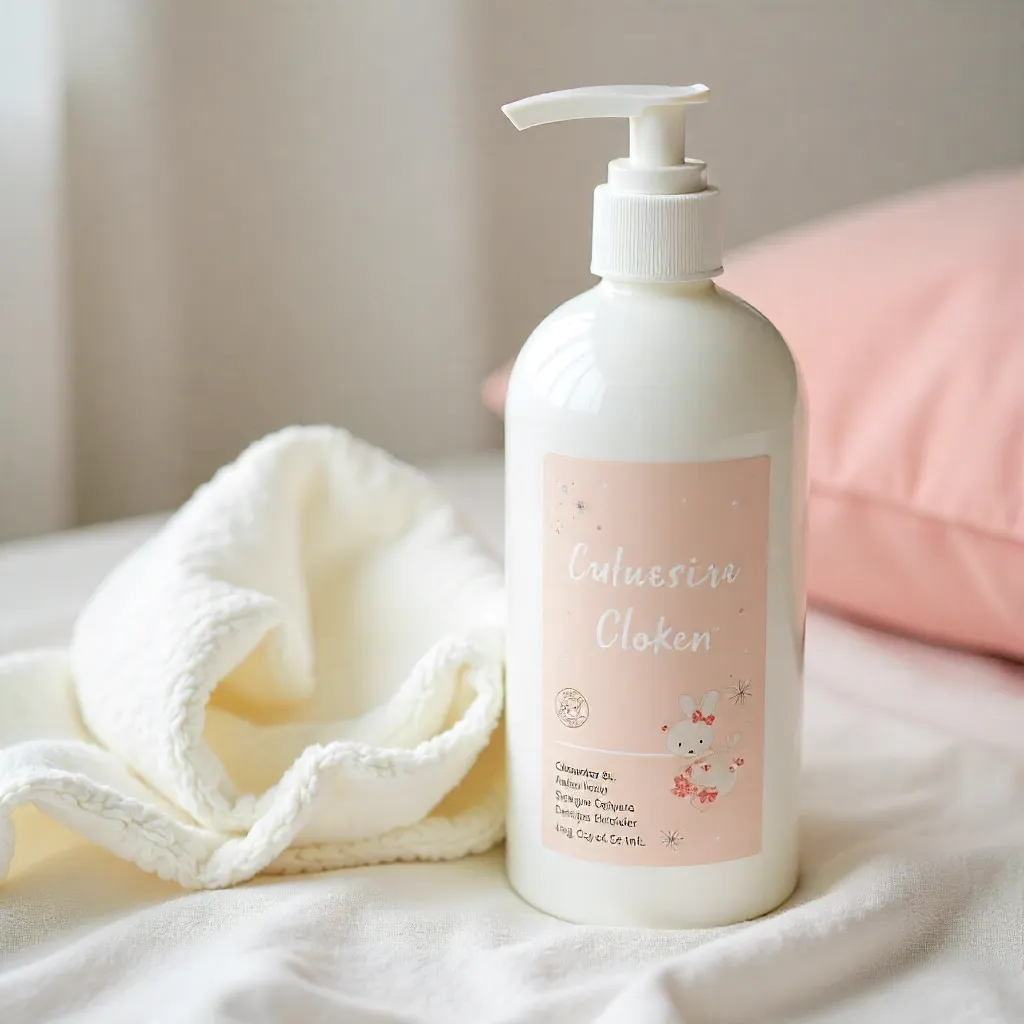
Approved Baby-Safe Detergent List
When selecting detergents for children's clothing, prioritize products specifically formulated for sensitive skin. These products undergo rigorous testing to ensure they're safe for delicate skin while maintaining cleaning effectiveness.
Recommended Product Characteristics
-
Fragrance-Free Formulas
Products without artificial fragrances reduce the risk of skin irritation and allergic reactions. Natural scents from essential oils should also be avoided for maximum safety.
-
Dye-Free Options
Colorless detergents eliminate potential allergens from artificial dyes. Clear or white products are typically safer choices for sensitive skin.
-
Plant-Based Ingredients
Natural, plant-derived cleaning agents provide effective stain removal without harsh synthetic chemicals that can cause skin reactions.
-
Certified Hypoallergenic
Look for products with official hypoallergenic certification, indicating they've been tested and approved for use on sensitive skin.
Non-Toxic Ingredient Explanations
Understanding ingredient labels helps you make informed decisions about cleaning products. Safe ingredients work together to remove dirt and stains without compromising skin health.
Enzymes
Natural enzymes break down protein-based stains like food and grass. They're biodegradable and safe for sensitive skin when used in appropriate concentrations.
Plant-Based Surfactants
Derived from coconut or palm oil, these gentle cleaning agents lift dirt from fabrics without stripping natural oils from skin that may come into contact with clothing.
Baking Soda
A natural deodorizer and mild cleaning agent that helps neutralize odors and gently lift stains without harsh chemicals.
Citric Acid
Naturally derived from citrus fruits, this ingredient helps break down mineral deposits and acts as a natural fabric softener.
What to Avoid: Harmful Ingredients
Certain ingredients commonly found in traditional detergents can cause skin irritation, allergic reactions, or other health concerns for children with sensitive skin.
-
Artificial Perfumes and Fragrances
These synthetic scents are among the most common causes of skin irritation and allergic reactions. They serve no cleaning purpose and should be completely avoided.
-
Artificial Dyes
Color additives provide no cleaning benefit and can cause contact dermatitis. Opt for colorless or naturally colored products instead.
-
Sodium Lauryl Sulfate (SLS)
This harsh surfactant can strip natural oils and cause skin dryness and irritation. Look for gentler alternatives in sensitive skin formulas.
-
Optical Brighteners
These chemicals create the illusion of whiteness but can cause skin reactions. They're unnecessary for effective cleaning.
-
Chlorine Bleach
Extremely harsh and can cause severe skin irritation. Use oxygen-based bleaches as a safer alternative when whitening is needed.
-
Phosphates
While less common now, these can cause skin irritation and environmental concerns. Most modern detergents have eliminated them.
Soft Icons for Product Properties
When shopping for detergents, look for these indicators on product labels that signal safety for sensitive skin:
Fragrance-Free
No artificial or natural fragrances added. Completely unscented for maximum skin safety.
Sensitive Skin Formula
Specifically tested and formulated for individuals with sensitive or easily irritated skin.
Plant-Based
Derived from natural plant sources rather than synthetic chemicals, reducing potential for irritation.
Baby-Safe
Tested and approved for use on infant and children's clothing with extra safety considerations.