Allergy Prevention Tips for Families
Protect your children from allergens through proper garment care, storage, and laundry room practices.
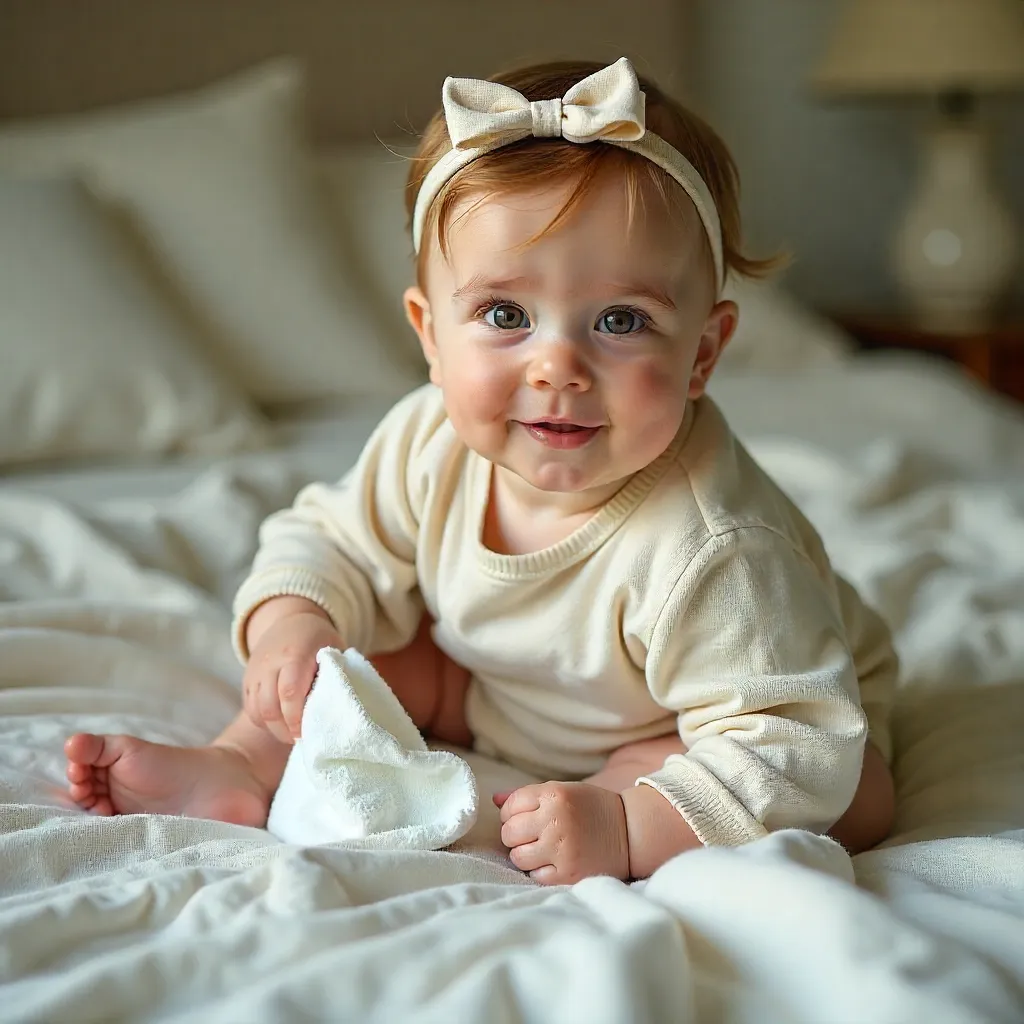
How Often to Wash Different Children's Garments
Establishing appropriate washing frequencies helps maintain cleanliness while preventing unnecessary wear and reducing allergen buildup in clothing.
Daily Wash Items
-
Underwear and Socks
These items come into direct contact with skin and should be washed after each wear to prevent bacterial growth and allergen accumulation.
-
School Uniforms
Daily washing removes allergens from school environments, including dust, pollen, and potential food particles that may cause reactions.
2-3 Wear Items
-
Outer Shirts and Tops
Unless visibly soiled or exposed to allergens, these can typically be worn 2-3 times before washing, reducing fabric wear and energy consumption.
-
Pants and Jeans
Can be worn multiple times if not soiled. Wash when they become dirty, develop odors, or after exposure to known allergens.
Weekly or As-Needed Items
-
Outerwear (Jackets, Sweaters)
Wash weekly or when visibly dirty. These items have less direct skin contact but can accumulate allergens from the environment.
-
Bedding and Sleepwear
Wash weekly in hot water (if fabric allows) to eliminate dust mites and allergens that accumulate during sleep.
Storage Advice for Keeping Clothes Allergen-Free
Proper storage prevents allergen accumulation and maintains garment cleanliness between wears. Follow these guidelines to keep clothing safe and fresh.
Always store clothing in clean, dry locations. Moisture encourages mold and mildew growth, which are common allergens. Use breathable storage containers rather than plastic bags.
Maintain clear separation between clean and worn clothing. Never store dirty items with clean ones, as allergens can transfer between garments.
Ensure storage areas have adequate ventilation. Stagnant air allows allergens to accumulate. Use closets with good air circulation or open storage solutions.
Never use scented sachets, mothballs, or fabric fresheners in storage areas. These products can introduce allergens and irritants to clothing.
Indoor Drying vs. Outdoor Drying Recommendations
The method you choose for drying clothing can impact allergen levels and fabric safety. Consider your family's specific needs when deciding between indoor and outdoor drying.
Indoor Drying Advantages
-
Pollen Protection
Indoor drying prevents pollen and outdoor allergens from settling on clothing, making it ideal for children with seasonal allergies or pollen sensitivities.
-
Controlled Environment
You can control humidity levels and ensure clean air circulation, reducing the risk of allergen contamination during the drying process.
-
Year-Round Option
Indoor drying works regardless of weather conditions, ensuring consistent laundry routines throughout all seasons.
Outdoor Drying Considerations
-
Natural Sunlight Benefits
UV rays from sunlight have natural sanitizing properties and can help eliminate some bacteria and allergens. However, this must be balanced against pollen exposure.
-
Pollen Season Precautions
During high pollen seasons, avoid outdoor drying for children with allergies. Check local pollen forecasts before hanging laundry outside.
-
Time of Day Matters
If outdoor drying is necessary, early morning or late evening typically have lower pollen counts than midday hours.
Humidity Control + Safe Laundry Room Practices
Maintaining proper humidity levels and following safe laundry room practices creates an environment that prevents allergen growth and protects clothing quality.
Humidity Management
-
Ideal Humidity Range
Maintain laundry room humidity between 30-50%. Higher levels encourage mold and dust mite growth, while lower levels can cause static and fabric damage.
-
Ventilation Systems
Install exhaust fans or dehumidifiers in laundry areas to control moisture levels, especially during and after washing cycles.
-
Monitor Humidity
Use a hygrometer to track humidity levels. Take action if levels consistently exceed 50% to prevent allergen-friendly conditions.
Laundry Room Safety Practices
Clean Machine Regularly
Run monthly cleaning cycles with hot water and vinegar or specialized washing machine cleaners to prevent mold and bacteria buildup.
Immediate Removal
Remove clothing from the washing machine immediately after cycles complete. Leaving wet items in the machine encourages mold growth.
Separate Storage
Store cleaning products away from clothing storage areas. Chemical fumes can contaminate fabrics and cause allergic reactions.
Regular Cleaning
Keep laundry room surfaces clean and dry. Wipe down counters, machines, and storage areas regularly to prevent allergen accumulation.
Printable "Sensitive Skin Laundry Checklist"
Use this comprehensive checklist to ensure you're following all best practices for hypoallergenic laundry care:
Sensitive Skin Laundry Checklist
- Use only fragrance-free, dye-free detergents
- Select extra rinse cycle on washing machine
- Wash at appropriate temperature (cold or warm, never hot)
- Remove clothing immediately after washing cycle
- Store clean clothing in dry, well-ventilated areas
- Avoid scented fabric softeners and dryer sheets
- Wash new clothing before first wear
- Keep laundry room humidity between 30-50%
- Clean washing machine monthly
- Separate clean and dirty clothing storage
Print this checklist and keep it in your laundry room for easy reference.